


Quick answer: Pruning clematis at the correct time for its pruning group encourages stronger growth, healthier vines, and significantly improved flowering year after year.
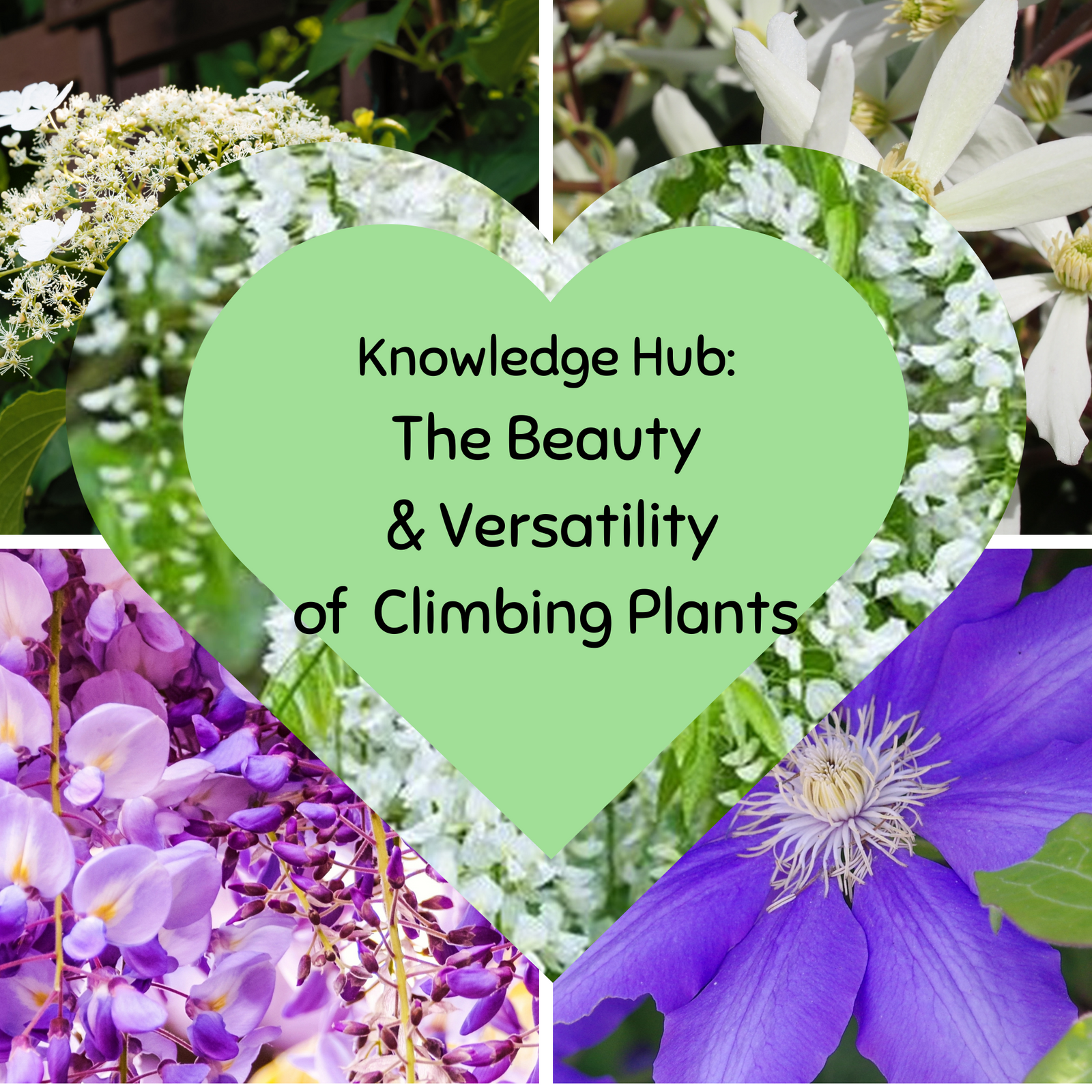
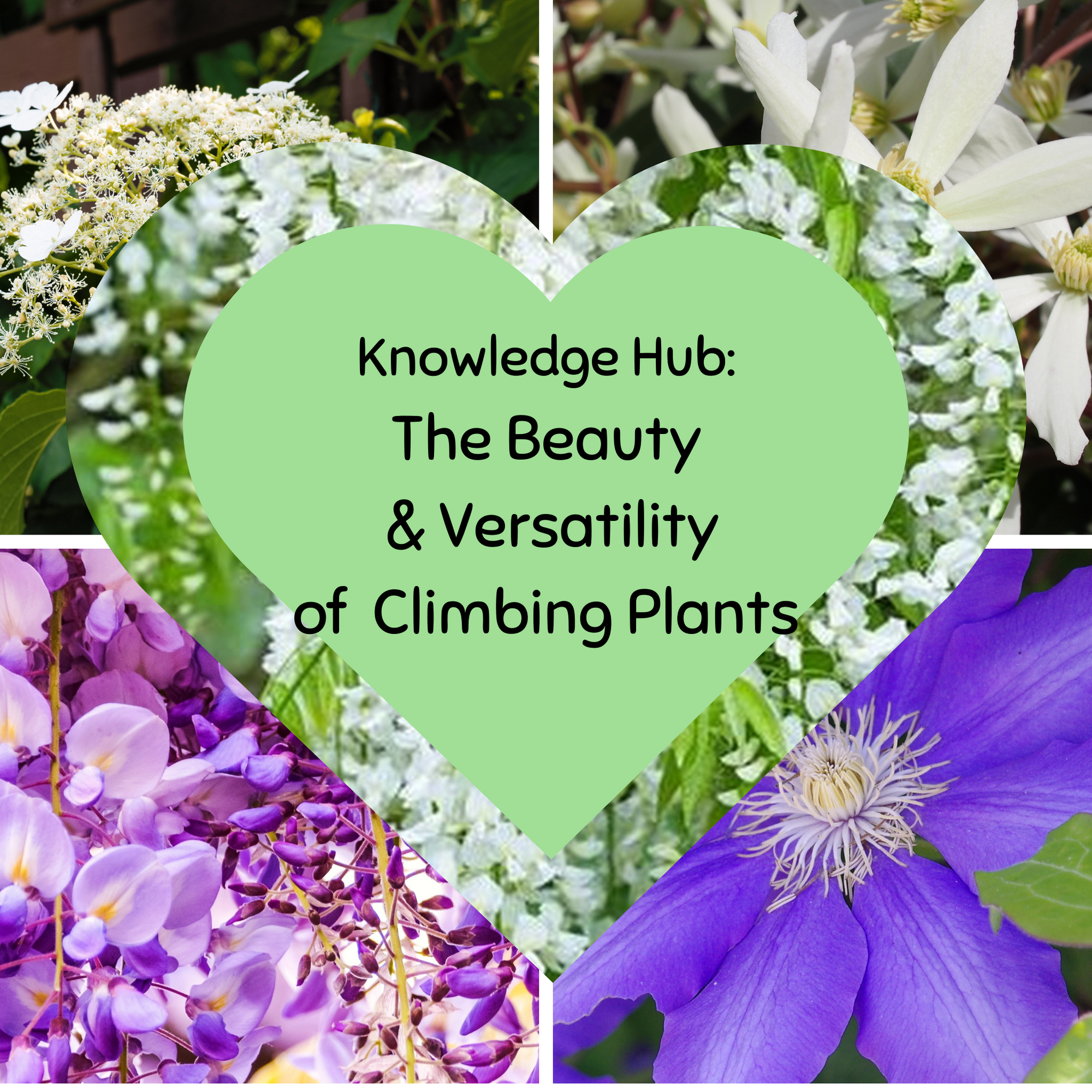
Clematis are often described as the crown jewels of the climbing plant world, prized for their ability to elegantly scramble through trellises, fences, pergolas, and walls. Not to mention doing all of this while producing some of the most striking blooms found in UK gardens. If you’re looking for visual excitement, clematis can be a real showstopper.
However, despite their popularity, clematis pruning remains one of the most misunderstood gardening tasks. Many gardeners avoid pruning altogether out of fear of cutting off flowers, while others prune indiscriminately and haphazardly, eventually wondering why their plant refuses to bloom.
The truth is that clematis are not difficult to prune once you understand the principles behind when and how to do it. Proper pruning does not reduce flowering, as some sheepish gardeners might think; rather, it enhances it. By pruning at the right time and in the correct way for your clematis type, you can encourage fuller plants, better air circulation, stronger stems and a far more reliable display of flowers.
This guide walks you through everything you need to know, step by step, so you can approach clematis pruning with confidence rather than confusion.
Pruning clematis is not simply about controlling size or keeping plants tidy. Pruning climbers of all kinds plays a critical role in the overall health, structure and flowering performance of the plant. Left completely unpruned, many clematis varieties will become woody at the base, produce flowers only at the very top of the plant and develop a tangled mass of weak, unproductive stems.
Stimulating new growth
One of the main reasons pruning is so important is that clematis flowers on growth produced at specific times of the year. Some bloom on old wood formed the previous season, while others flower on new growth made in spring and summer. Pruning at the wrong time can remove flower buds before they ever open, while pruning at the right time stimulates fresh shoots that carry even more stunning blooms.
Air circulation and disease prevention
Pruning also improves air circulation within the plant. Dense, overcrowded growth traps moisture, increasing the risk of fungal diseases such as clematis wilt and powdery mildew. Removing weak, dead, or damaged stems allows light and air to reach the plant's centre, creating a healthier growing environment.
Shaping and aesthetics
In addition, pruning helps manage the shape and balance of clematis. Without guidance, vines can grow unevenly, pulling away from supports or concentrating growth in one direction. Thoughtful pruning allows you to train the plant, encourage even coverage and integrate it harmoniously with surrounding plants in a display.
Ultimately, pruning is not a risk; it is an investment in better flowering, stronger growth and a longer-lived clematis.
Knowing how to prune clematis is just as important as, if not more important than, knowing how much to cut. Timing determines whether you enhance flowering or accidentally remove it. Clematis are divided into pruning groups based on when they flower, and each group follows its own pruning schedule.
Once you identify which group your clematis belongs to, pruning becomes straightforward and predictable rather than intimidating.
The best time to prune clematis depends entirely on its flowering habit. In general, pruning is carried out between late winter and early spring, immediately after flowering, or not at all beyond some minimalistic tidying. Unlike some other, more resilient shrubs, clematis should never be pruned on impulse. Every cut should align with the plant’s growth cycle.
Late winter and early spring pruning encourages strong new shoots in varieties that flower later in the year. Post-flowering pruning is used for early bloomers to preserve next season’s buds. Understanding this seasonal rhythm is the foundation of successful clematis care.
Clematis are divided into three main pruning groups. Each group behaves differently and responds to pruning differently.
Group 1 clematis, such as Clematis armandii, flower early in the year, typically in late winter or spring, on growth produced the previous season. These varieties include many vigorous, woody climbers that are often used to quickly cover large structures.
Because Group 1 clematis bloom on old wood, they require minimal pruning. Cutting them back hard would remove the flower buds already formed, resulting in a disappointing display the following season. Instead, pruning is limited to light tidying immediately after flowering.
Dead, damaged or wayward stems can be removed, and the plant can be gently shaped if necessary. Over time, light pruning helps maintain structure without sacrificing flowers.
Group 2 clematis, like ‘Hagley Hybrid’, are among the most popular garden varieties, known for their large, showy blooms that appear in late spring or early summer, often followed by a second flush later in the season.
These plants flower on both old and new growth, which makes pruning more nuanced. Heavy pruning risks removing early flower buds, while no pruning at all can lead to weak growth and reduced flowering.
Group 2 clematis benefit from a light prune in late winter or early spring, removing dead or weak stems and shortening others to a pair of strong buds. This approach balances early flowering with healthy new growth.
Group 3 clematis, like Jackmanii, flowers in summer or early autumn on growth produced that year. This group includes wide, robust, reliable varieties that respond extremely well to hard pruning.
Because they flower on new growth, Group 3 clematis should be cut back hard each year in late winter or early spring. This encourages vigorous shoots from the base and prevents plants from becoming leggy or sparse at ground level.
For gardeners nervous about pruning, Group 3 clematis are often the most forgiving and rewarding.
Pruning groups overview table
|
Pruning group |
Flowering type |
Example varieties |
|
Group 1 |
Early-flowering |
Clematis montana |
|
Group 2 |
Large-flowered |
‘Hagley Hybrid’ |
|
Group 3 |
Late-flowering |
Jackmanii |
A seasonal pruning calendar helps take the guesswork out of clematis care, especially in the UK, where weather patterns can influence growth timing. By following a month-by-month approach, you can ensure your clematis receives attention at the right moment without unnecessary interference.
|
Season |
Months (UK) |
What to do |
Clematis groups affected |
Pruning notes |
|
Winter |
January–February |
Main pruning period |
Groups 2 & 3 |
Prune before new growth begins; light prune Group 2, hard prune Group 3 |
|
Early Spring |
March |
Finish pruning |
Groups 2 & 3 |
Complete pruning before buds break |
|
Late Spring |
May–June |
Prune after flowering |
Group 1 |
Light tidy only; remove dead or tangled stems |
|
Summer |
July–August |
Minimal pruning |
Group 1 |
Shape plants if needed; avoid heavy cuts |
|
Autumn |
September–October |
Tidy only |
All groups |
Remove damaged stems; avoid major pruning |
|
Late Autumn / Early Winter |
November–December |
No pruning |
All groups |
Allow plants to rest; protect from frost if needed |
This calendar ensures each clematis receives the correct level of intervention while respecting its natural growth cycle.
Correct pruning technique is just as important as timing. Clean cuts, proper tools and a methodical approach all contribute to better results and healthier plants.
Secateurs
Sharp, clean secateurs are essential for making precise cuts without crushing stems. Blunt tools can cause damage that invites disease.
Gloves
Many clematis have tough or wiry stems that can irritate skin. Gloves also improve grip and control.
Supports
Have ties, trellis wires, or supports ready so you can secure new growth immediately after pruning.
Begin by identifying your clematis pruning group. This determines how far back you will cut and which stems to prioritise. Always start by removing dead, damaged or diseased growth, regardless of group. These stems serve no purpose and can compromise plant health.
Next, look for strong, healthy buds. Make cuts just above a pair of buds, angling the cut slightly away to allow water to run off. Avoid leaving long stubs, which can die back and attract disease.
For Group 1 clematis, restrict pruning to post-flowering tidying. For Group 2, reduce stems selectively to maintain shape while preserving flowering wood. For Group 3, cut stems back to 20–30 cm above ground level, ensuring at least one strong pair of buds remains.
After pruning, gently untangle remaining stems and reattach them to supports. This training stage is crucial for guiding future growth and preventing congestion.
Post-pruning care helps clematis recover quickly and channel energy into strong new growth rather than stress response.
After pruning, apply a balanced fertiliser or a specialist clematis feed to replenish nutrients. Mulching with compost or well-rotted manure helps retain moisture, suppress weeds, and protect roots, which prefer cool, shaded conditions.
Avoid piling mulch directly against the stems, as this can encourage rot.
Water thoroughly after pruning, especially during dry spells. Clematis benefit from consistent moisture during active growth. Continue to monitor ties and supports, adjusting as new shoots develop to prevent breakage.
Regular checks throughout the growing season allow you to address issues early, ensuring your clematis remains vigorous and floriferous.
Pruning clematis does not need to be intimidating. By understanding pruning groups, following a seasonal calendar, and applying careful technique, you can transform how your clematis grows and flowers. Each cut serves a purpose, guiding the plant toward better structure, stronger growth and more abundant blooms year after year.
With the right approach, pruning becomes not a chore, but a rewarding part of clematis care. If you’re interested in getting some clematis for your own garden, check out the range we stock at One Click Plants. For more insights into gardening, visit our Knowledge Hub today.
The best time depends on the pruning group. Group 1 is pruned after flowering, Group 2 in late winter or early spring and Group 3 in late winter.
Pruning at the wrong time can remove flower buds, resulting in reduced or delayed flowering, though most plants will recover the following year.
Pruning intensity depends on the group. Group 1 needs minimal pruning, Group 2 light to moderate pruning and Group 3 hard annual pruning.
Yes, when pruned correctly, clematis reliably flowers each year and often performs better than unpruned plants.
Check the plant label, flowering time or variety name. If unsure, observe when it flowers and prune cautiously until identified.